Articles and chapters
-

Beyond the Parallel: The Iliad and the Epic of Gilgameš in their macro-regional tradition
2023, TAPA 153(1): 1–42
There is a lion simile in the Iliad (18.316–22) which is very close in language, theme, and purpose to a lion simile in the Standard Babylonian Version of the Epic of Gilgameš (8.61–2). Some people think this proves the Iliad is deliberately adapting a specific, Neo-Assyrian recension of Gilgameš. Others think it is a coincidence.
I try to take the skeptical position seriously, and outline a comparative model that can account for close verbal and thematic similarities between the Iliad and Gilgameš without presuming direct Greek access to the latter. But on my model, parallels aren't coincidental, either: they arise from processes of polygenesis and long-term, multi-phase, mutual assimilation. As a result, looking to Greek and Mesopotamian traditions together illuminates both. Even if you reject direct influence, you should still be a comparatist!
-
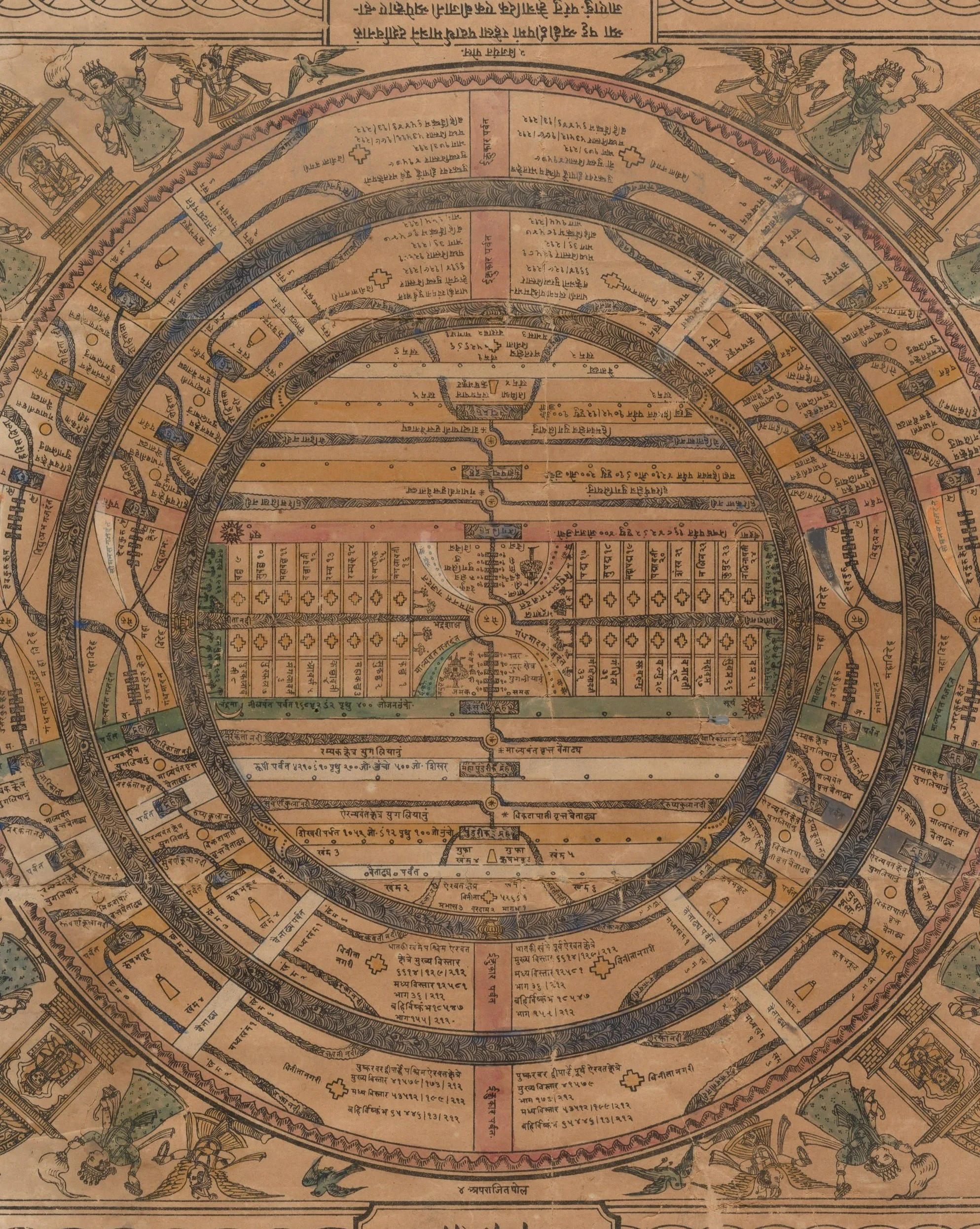
The World in Flux: Thinking through Cosmography in Greece, India, and Egypt
2024, in Living Bodies, Dead Bodies and the Cosmos: Culturally Specific and Universal Concepts, edd. T. Pommerening, C. Ferella, & U. Steinert (Tübingen: Siebeck), 353–79.
In most premodern cultures, at least some people believed that our earth is flat, that the gods live above us in a bright and beautiful heaven, and that when we die, we descend to a gloomy underworld below the earth. These common themes have long tantalized proponents of "human universals." But such approaches face two problems: (1) most universals aren't actually universal, (2) many premodern cultures preserve a record of disagreement about the structure of the cosmos.
I survey three ancient cosmographic traditions (Greek, Indian, Egyptian) characterized by regular revision of established theories. Taking this change itself as an object of comparison shows that the views unique to each tradition are produced by common strategies of revision and elaboration. Comparing the dynamics of traditions (not static theories extracted from those traditions) helps us think through what premodern thinkers were doing when they speculated about the structure of the cosmos.
-
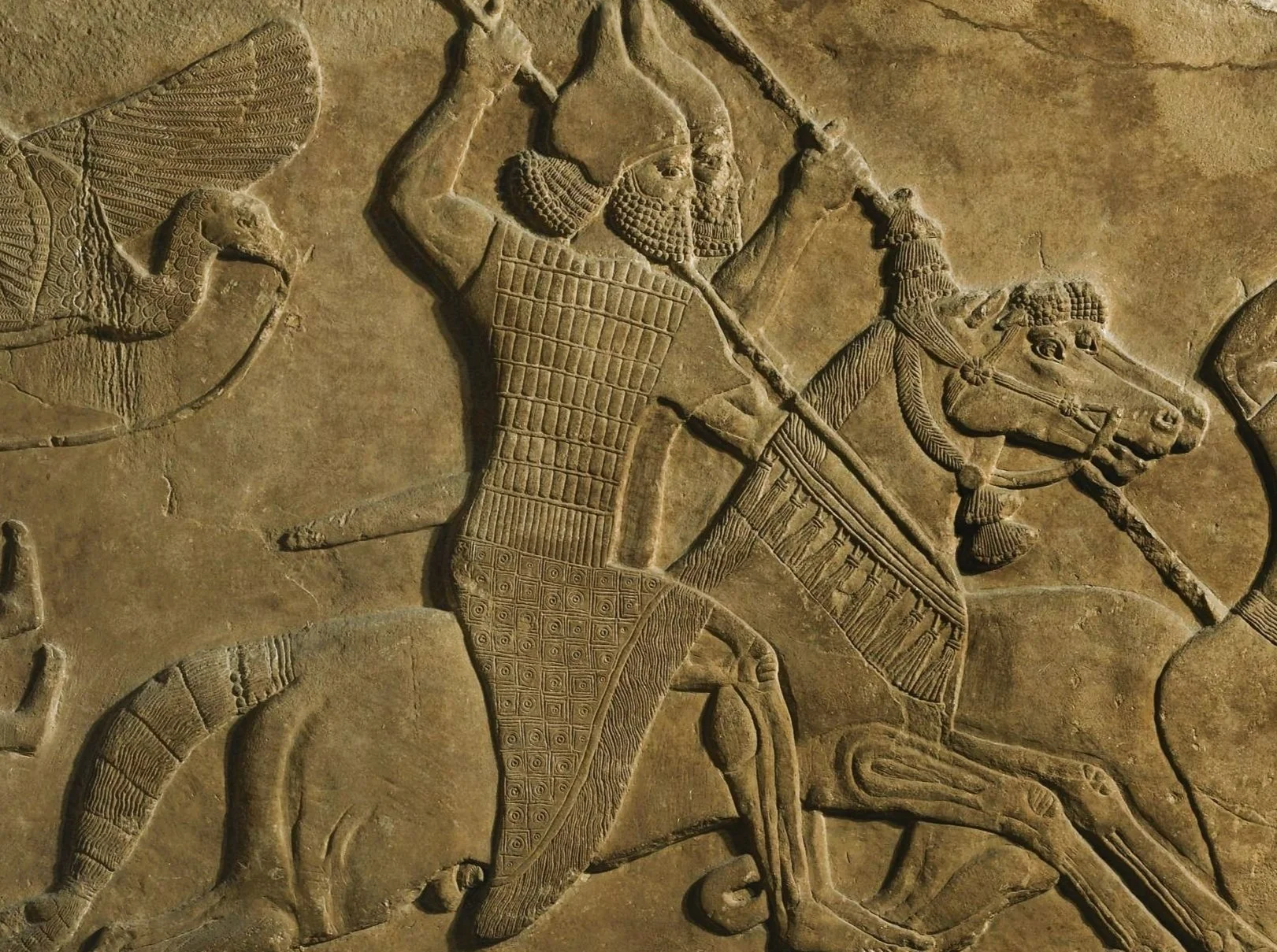
Horses, Wheels, Languages: Greek, Mesopotamian and Indic Epic on the Eurasian Steppe
2025, Classical Quarterly 75(1): 1–18. (Open Access.)
The first fragment of the Greek Cypria tells us Zeus planned the Trojan War to relieve the earth of her heavy burden of human beings. This motif is alternately explained as (1) borrowed from the second-millennium BCE Akkadian epic Atra-ḫasīs, in which Enlil sends a flood to exterminate humankind, (2) inherited from a third-millennium BCE Indo-European poetic tradition, surviving also in the Sanskrit Mahābhārata, where Brahmā initiates a war to lighten the earth's load of mortals. These explanations seem incompatible.
Not so! Linguistic and archaeological evidence suggests that in the Late Eneolithic and Early Bronze Age, some speakers of Proto-Indo-European were also speakers of Semitic languages. Poetic traditions spread across linguistic boundaries through these multilinguals. Indo-European and Ancient Near Eastern comparative approaches are really halves of a single enterprise: the Cypria, Mahābhārata, and Atra-ḫasīs are all products of a Eurasian steppe tradition, and must be read together.
-

Anaximander and Polycrates in the Chronica of Apollodorus
2026, Classical Philology 121(1): 112–26.
Anaximander of Miletus is an important chronological anchor for early Greek philosophy. His dates, 610/9–c. 545 BCE, derive from the Chronica of Apollodorus of Athens. Apollodorus had a standard trick for making up dates he didn't know for certain, but he hasn't used it here: scholars accordingly infer he had good information for Anaximander, and that the dates are reliable. But things aren't so simple! Apollodorus also claimed Anaximander flourished at the same time as the tyrant of Samos, Polycrates. That would mean Anaximander did his best work in the 520s BCE—i.e., posthumously.
Hermann Diels and Felix Jacoby developed a solution to this problem which has become standard. But I argue it can't be right. Instead, I posit a very simple scribal error in the ancient transmission of the Chronica. This solves a number of related puzzles in the chronographic tradition, but it means Apollodorus actually put Anaximander's birthdate in 585/4 BCE. And unfortunately, this conforms to his standard method for guessing dates: Anaximander was born the year his teacher Thales performed his greatest feat (predicting the eclipse of 585 BCE). The dates are not reliable after all.
-
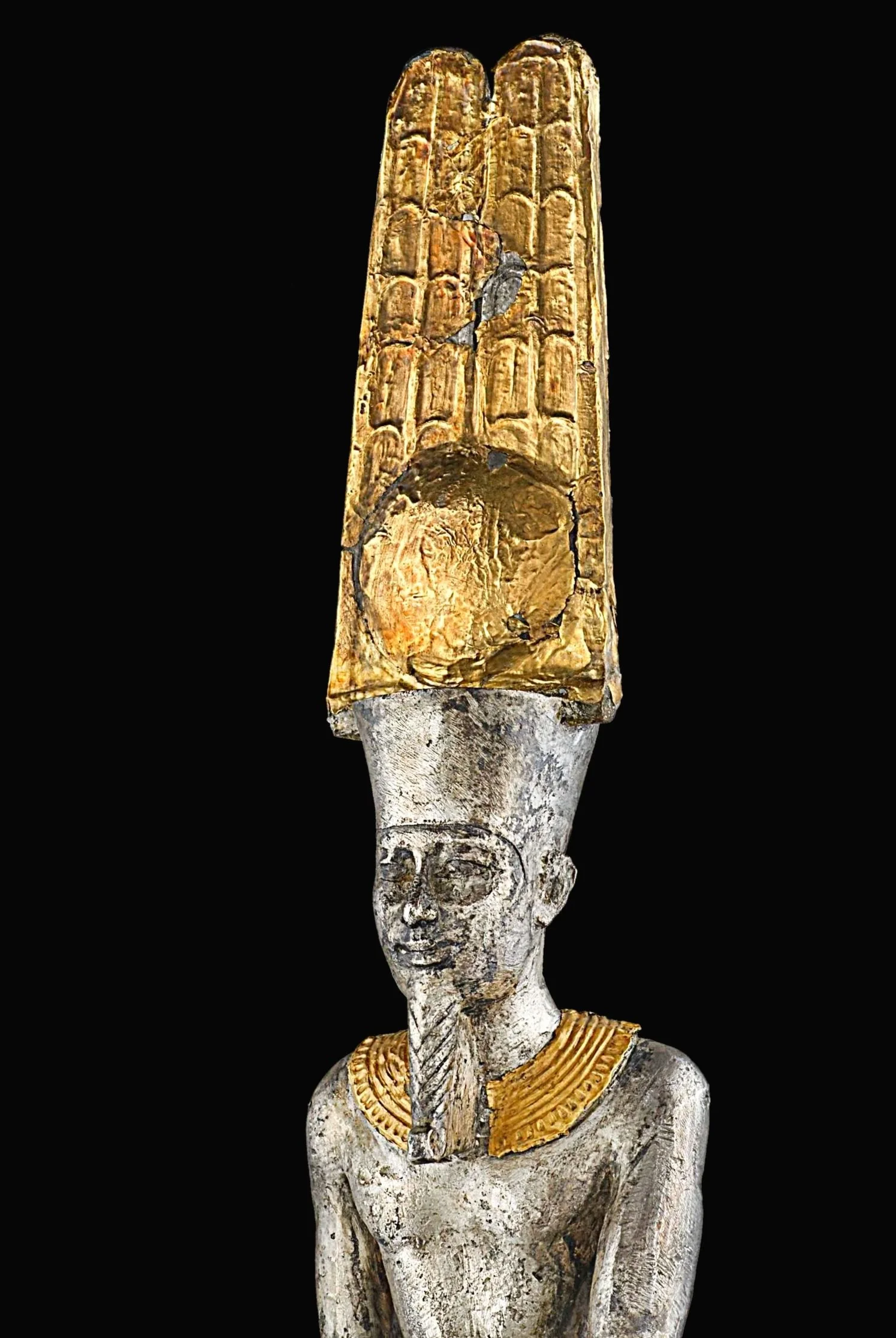
Egyptian Influences and Connections
Forthcoming in The Routledge Handbook of Presocratic Philosophy, edd. J. Bryan, S. Tor, & L. Cantor.
This is an overview of the possible influence of Egyptian intellectual traditions on early Greece. I give a brief survey of Greek interactions with Egypt in the Archaic period, then introduce some Egyptian spheres of scientific and philosophical discourse of potential interest to scholars of Presocratic philosophy: ethical and political discourse, theology and natural philosophy, and cosmography and astronomy. The chapter assesses the likelihood and nature of Greek engagement with each of these spheres, stressing that we have to consider case by case whether and how Greek thinkers could engage a specific text.
I argue the strongest evidence for Egyptian influence on Greek thought lies in form, rather than content. The earliest Ionian thinkers presented their ideas on the cosmos in illustrated prose treatises: this genre looks very much like a type of Egyptian cosmographic text which became accessible to Greek visitors to Egypt in the seventh century BCE. The questions that occupied the earliest Greek thinkers are also addressed in these Egyptian texts, though Greek thinkers do not appear to have borrowed Egyptian answers in any detail.
-
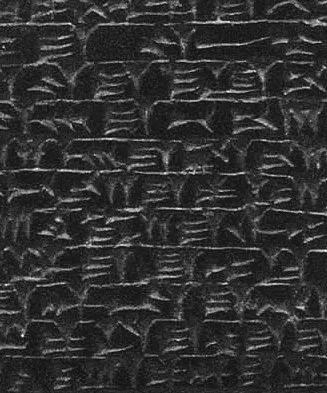
Campfire Bread: Recycling Ideology in Erra and Išum
Forthcoming in a special issue of Studi Semitici, ed. L. Romano.
The first-millennium BCE Babylonian poem Erra and Išum contains many lengthy, horrible descriptions of war. Many interpreters read these passages as a condemnation of violence: on this view the poem is a kind of Pharsalia on the Euphrates, an anti-epic unmasking the heroic values of its tradition as ius datum sceleri. But some features of the poem are difficult to accommodate to this reading, especially a famous eulogy of the soldier's life that condemns civilians as useless and effete (I.45–60).
Reading Erra and Išum against its predecessors in the tradition of Mesopotamian epic, I argue that the poem is not so much anti-war as against the war coming home. The poem’s utopia is a militarized society which protects citizens from violence by wielding it against dehumanized subject populations in the steppe.
Shorter pieces
Popular articles
Who was Homer, author of the Odyssey? The Conversation (July 24, 2026).
The myth and politics of nature in Laksmi Pamuntjak’s Amba. Melbourne Asia Review 25 (2025).
Book reviews
I. Calini (ed.), Les récits de destruction en Méditerranée orientale ancienne (Paris: Classiques Garnier, 2024). Bryn Mawr Classical Review (2025).
P.S. Horky (ed.), Cosmos in the Ancient World (Cambridge: CUP, 2019). Classical Review 71(3).
A. Finkelberg, Heraclitus and Thales’ Conceptual Scheme: A Historical Study (Leiden: Brill, 2017). Bryn Mawr Classical Review (2018).